


Five Reasons to Study Yoga Nidra
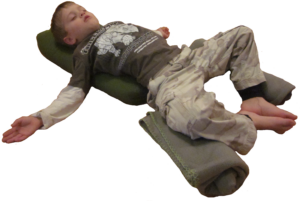 Thirty years ago as an undergrad in an Altered States of Consciousness course I watched in fascination as my lab partner swatted an imaginary fly from the hypnosis script I was reading.
I remember thinking “This is a big deal!” Yet somehow the significance of this experience faded into the background of degree finishing and other life priorities for almost a decade. Fast forward to me lying on a straw mat in an Indian ashram listening to sounds from the other side of the earth. I am able to do this because my Guru Ji, in his thickly accented yoga nidra instruction voice, had suggested I could. This far eastern experience reignited my undergrad passion for the mystery and power of the subconscious.
It was at this point that my psychology background, yoga experience, and deep belief that we are more than our conscious thoughts, began to merge. I began a decades long yoga nidra study that included personal practice, coursework, and instruction. I can honestly say that this ancient guided meditation technique more powerfully informs my yoga teaching, personal interactions, and parenting than any other yoga practice. There are so many reasons why I think everyone should try this ancient practice. Here are just five.
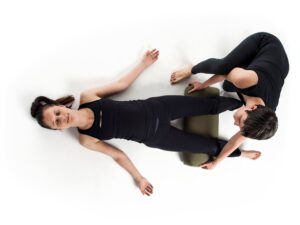 Get Deep and Profound Rest
Yoga nidra is a state of brain wave activity that is just above deep sleep. While actual sleep can be disrupted by stressful dreams, repeated waking, teeth grinding, or tossing about, yoga nidra brings a consistent restful state. Yoga Nidra avoids such rest interruptions by bringing one to a theta brainwave sleep-like state that induces sleep-like relaxation, without fully going to sleep. Verbal guidance keeps the participant hovering just above deep sleep, or delta wave activation. The imagery used conveys a sense of safety to the deep consciousness. This allows the body to experience deep rest without the interference that some sleep experiences can bring.
2. Transform thought Patterns, and Make Emotional Shifts
We often maintain patterns of thoughts, behaviors, and emotions that hold us back from complete health and wellness, even when our waking mind is aware of this fact. A good example is the new year’s resolution. It is made because we perceive the action or habit that we are hoping to change is not contributing to our happiness, yet we rarely follow through. This is because we make the commitment with our most conscious layer of mind (in upper level beta brain wave activation). The message does not make it down through all the layers of consciousness. When the whole brain and nervous system are not involved in a decision follow-through is unlikely to be successful. To explore why we can hold so tightly to unhealthy patterns, and to discover how we might unravel them, we need to “talk with” the nervous system at every level of activation. I frequently use yoga nidra to help clients release fears, and optimize physical, mental, and emotional function in a variety of situations. For example, removing anxiety about birth, or transforming a fearful situation into manageable setting. With regular practice long held physical aches can release, unwanted habits may begin to shift, and more.
3. Heal Yourself & Your Loved Ones
Why we get sick is multi-faceted and complex beyond the understanding of even today’s advanced medical science. What we do know however is that anxiety and stress can cause, or significantly impair, our body’s ability to function in general. This includes both the processes that help us avoid illness, and those that aid the healing process. Yoga Nidra calms the nervous system, which turns on the body’s healing (para-sympathetic) response. This triggers increased availability of physical resources to heal imbalance, illness, and injury. The placebo effect is an incredibly well studied phenomena that proves we can potentially heal sickness by what we think. This is why all drug studies must include a placebo group. Scientists know that a large portion of any drug study group is going to get better just because they thought they would! Yoga nidra works to tap into this underutilized human super power. What we think changes our state of wellness, both emotionally and physically. And the best news is that this practice can be done by anyone. A facilitator can whisper yoga nidras into the ear of someone who is lying in a hospital bed. One could listen to a yoga nidra recording while reclining in a cushy chair.
4. Help Ease Anxiety in Children (and Adults)
Did you know that children may be the most powerfully impacted by Yoga Nidra (guided relaxation) meditation? They spend more awake alert time in alpha and theta brainwave activation and so are most easily able to visualize with real-life-like clarity. This can result in powerful healing and calming responses. Imaginary friends are a good example of this. Some of my most profound responses to yoga nidras have come from elementary school children. One little girl told me recently, “You just made all the sadness in my body disappear”. As a parent I have used this technique when my children were sick or anxious to induce calm and reduce discomfort. Bedtime is a great time to use this technique. Short yoga nidra techniques can even be taught to children to use on their own in stressful situations.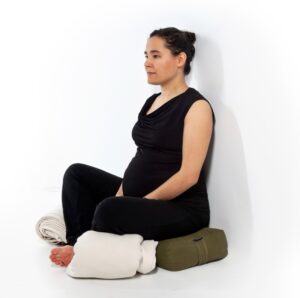 5. Utilize the “Swiss Army Knife” of Wellness Tools
Yoga nidra is the most versatile of yoga tools, and can be used for many purposes. Some do this practice to relax more deeply, others to heal from trauma. One day you can explore your psyche using Jungian style archetypal images, and the next prepare for an easy birth. In the same class one participant may report feeling a long held physical ache release, and another may obtain insight that allows them to make an important life decision. There are also energetic uses such as connecting with spirit guides, and loved ones who have passed. Past life regression and manifesting can also be explored with this technique. The usages of yoga nidra are limited only by your imagination and interest. Some focus on mainstream uses, others use yoga nidra to delve into a mystical exploration.
My two decades of exploring this topic have become the contents of the Shakti Yoga Nidra Teacher Training (2 Weekend Days). This training is suitable for yoga teachers, school teachers, medical professionals, social workers, and any other professional who wants add this technique to their tool kit. Also welcome is ANYONE interested in using this practice with friends, family members, or themselves, even if they have no yoga experience.
Go to this link to the 2024 Shakti Yoga Nidra Teacher Training Page the for more info or to register and hold your space. Contact Bobby@ShaktiYogaMethod.com if you have any questions.


