It’s the Yoga of Doing Less…a Lot Less

Thirty years ago, as an undergraduate enrolled in an Altered States of Consciousness course, I watched in quiet fascination as my lab partner swatted an imaginary fly from the hypnosis script I was reading aloud. The gesture was unconscious, reflexive, and unforgettable. Something about it lodged itself deep in my curiosity about the mind. A decade later, that curiosity resurfaced on the other side of the world.
I was in India, lying on a straw mat in an ashram, listening intently as my Guru Ji guided us through yoga nidra in his thickly accented English. At one point, he suggested that we listen not just to the sounds around us, but to sounds from the other side of the earth. To my surprise, I felt like I could!
That moment reignited my undergraduate passion for the mystery and power of the subconscious and clarified something I had long suspected: guided meditation has the capacity to profoundly impact our lives.
I had always been fascinated by psychology and neuroscience. This first yoga nidra experience set the stage for the merging of my love of science with that of yoga philosophy and practice. Over the years, I continued to study and share the practice of yoga nidra with my hatha yoga students. I watched it deepen their yoga practice, disrupt negative habits, and reset entrenched thinking patterns. My prenatal students began using yoga nidra to cultivate calm, confidence, and even enjoyment in childbirth. I have used it successfully for all of these purposes myself.

Perhaps you’ve had a taste of yoga nidra without realizing it. Have you ever been in a yoga class where your teacher allowed time for a long relaxation at the end, but instead of leaving you in silence, continued to speak? Maybe you were guided to relax different parts of your body, offered affirmations, or led through vivid imagery. You may have felt so deeply relaxed that you thought you fell asleep- yet somehow you still followed the instructions as your teacher guided you back from lying down to sitting. The rest of your day may have felt brighter. You may have felt lighter, calmer, or more energized.
If this has happened to you, you have experienced a basic form of yoga nidra: a yogic method of inducing complete physical, mental, and emotional relaxation. While benefits can certainly be felt in short five- to ten-minute sessions, the most profound impact of yoga nidra is best experienced in practices lasting thirty minutes or longer.
A regular yoga nidra practice can alleviate muscular, emotional, and mental tension. Many people experience significant shifts in negative thought patterns and habits, as well as moments of deep personal insight. It is also one of yoga’s most accessible practices. Its benefits can be experienced by anyone, in any state of health- even by those who are bedridden or have never practiced yoga before.
The term yoga nidra translates as “yogic sleep,” though one of the goals of the practice is actually to avoid falling asleep. The deep release associated with yoga nidra arises from changes in brainwave activity. When we are fully awake, the brain predominantly produces beta waves. As the body and mind relax, brainwave patterns gradually slow, passing through several layers of activation before eventually reaching delta waves, which are associated with deep sleep.
Yoga nidra is designed to keep practitioners hovering just above the delta state. This delicate threshold reflects not only profound relaxation, but also access to a unique level of consciousness.
In this borderland between wakefulness and sleep, we are open not only to rest, but also to creative and visionary states. Emotions held in the subconscious can surface and release.

For this reason, a guided yoga nidra practice has the potential to resolve deeply rooted issues, fears, and stressors, while decreasing anxiety, depression, and overall stress levels. Though ancient in origin, yoga nidra is increasingly finding relevance in modern healthcare. Many organizations now use it to support those living with with PTSD, depression, substance abuse, chronic pain, and sleep disorders.
You don’t, however, have to be facing a serious challenges to benefit from yoga nidra. Those who practice it regularly report lower stress levels, better sleep, and an overall sense of physical and mental well-being.
Bobby’s last 30 years of incorporating this powerful practice into Shakti Yoga teachings have become the content for the Shakti Yoga Nidra teacher training. A two day workshop designed for yoga teachers, those wanting to bring yoga nidra into wellness settings, schools, or into their own practice.
Go to ShaktiYogaMethod.com for more info on this beautiful and transformative practice that you can do anywhere!


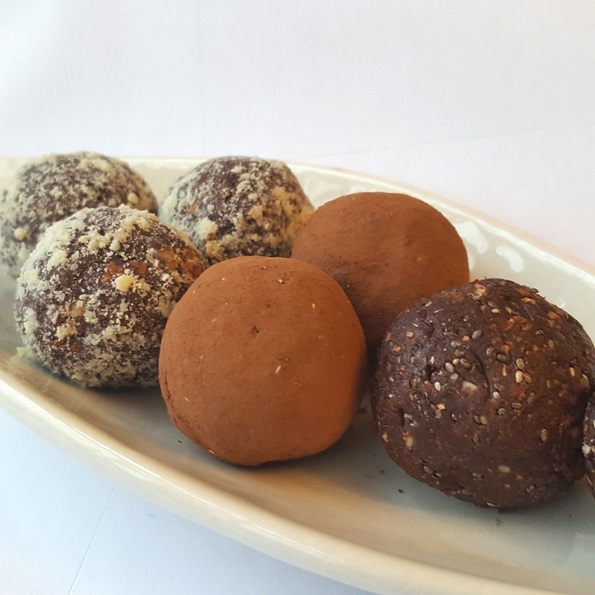 This recipe is just in time for Summer hikes and nibble breaks as you pause to enjoy the iceberg views this year. Date balls are an easy-to-make, healthy, snack choice for a day on the trails. The sweetness of dates allows for the addition of many (even bitter) health boosting ingredients while still maintaining tastiness. You can play around with the recipe below and add whatever super foods you find in your cupboard. This is my 2017 fave. The cacao bits add a crunchy texture that I love!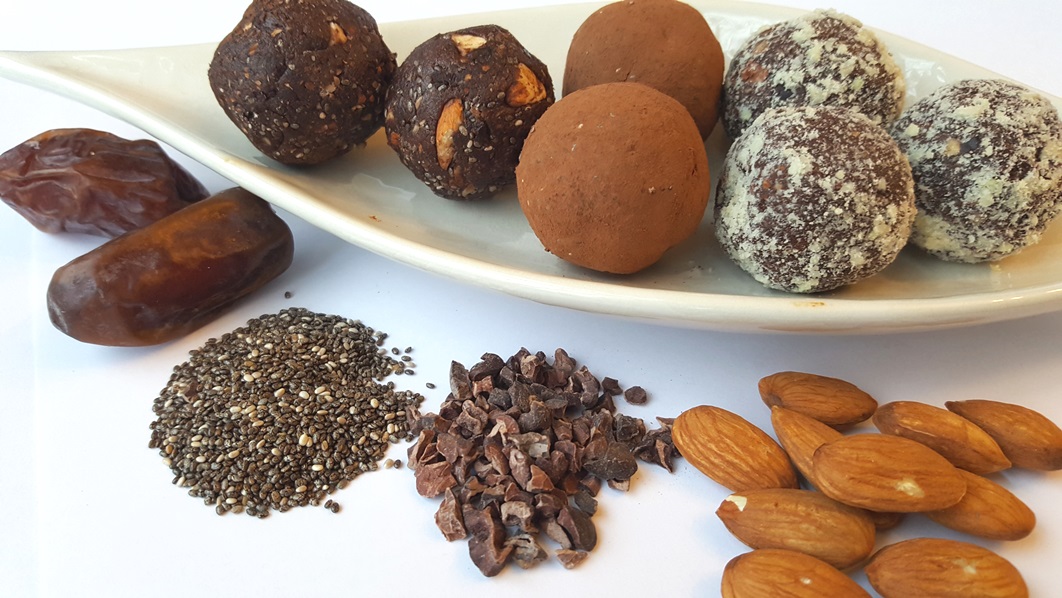

 I have been in a love affair with Pratchett’s Discworld series for years but never thought to recommend one on my blog since the yoga focus seemed to make it a bit off topic. Yet, having pulled this book out in anticipation of being surrounded by Buddhist teachings this year I began to think back on all the other times I have also brought up these books in lighter Yoga Teacher Training discussions. I finally decided that to dismiss the yoga in these comedic works would do a disservice to the message of laughing Buddhas everywhere. Who said that joy could not be had in the yogic quest to find our own true nature?
 For those who have never read a Terry Pratchett book I will attempt to give you a bit of an idea of what to expect. The fact that you would find him in the Sci-fi/fantasy section of your local book store would be somewhat illuminating, however not the full story. His books are indeed littered with witches, dwarfs, vampires, and pretty much every other fantastical creature you have ever read about. There is also a whole cast of, let’s call them “interesting”, human beings. These characters are not the point however, Pratchett was obviously a student of eastern philosophy and human folly, his books are unerringly intelligent societal and philosophical commentary that somehow also never deviates from the main goal of being laugh out loud absurd.
 If you decide to read this book as a yogi, look forward to the most interesting (and non-traditional) take on Tibetan prayer wheels and the monastic lifestyle that you have ever read, as well as the funniest and most spot-on insight into what it might be like for non-corporeal energy to learn the ins and out of residing inside a physical body (think purusha to ahmkara for students of yoga philosophy). If this is your first Terry Pratchett book I cannot tell you how envious I am that you will be getting to read it for the first time.


